When a Stiff Key Signals a Bigger Problem
What a stiff key really means
A key that suddenly feels tight in the lock is easy to dismiss. Most people assume a little lubrication or a gentle jiggle will solve it. And sometimes it does. But a stiff key can also be the first sign of a deeper issue inside the lock mechanism or the door itself. What feels like a minor annoyance can turn into a lock that fails completely, often at the worst possible moment.
The problem is that a stiff key does not always come from the lock cylinder alone. The bolt, the strike plate, the door frame, and even the hinges can all contribute to binding. When any of these parts move out of alignment, the lock has to work harder. Over time, that extra force wears down the internal components. A lock that is forced repeatedly may eventually refuse to turn at all, leaving you locked out or unable to secure your door. At lockchangenorthyork.com, the most common call for a damaged lock change starts with a key that used to work fine and then started sticking.
How a lock works under normal conditions
A typical exterior door lock has a cylinder that accepts the key, a tailpiece that rotates when you turn the key, and a bolt that slides into the strike plate. When everything is aligned, the key turns smoothly, and the bolt moves freely into the door frame. The clearances inside are small, often less than a millimetre. Even a slight shift in the door or the frame can cause the bolt to scrape against the strike plate or the cylinder to bind inside its housing.
Temperature changes, settling of the house, and everyday use all affect these clearances. Wood expands and contracts with humidity. A door that fits perfectly in summer may stick in winter. Hinges can loosen over time, causing the door to sag. The result is that the lock parts no longer line up the way they did when the lock was new.
What causes a key to become stiff
There are several reasons a key might start to feel tight. Some are simple maintenance issues. Others point to mechanical damage that requires more than just cleaning.
Dirt and debris inside the cylinder
Dust, grit, and dried lubricant can build up inside the cylinder over years of use. This makes the key hard to insert and hard to turn. A flush with a dry lubricant or a lock-specific cleaner can often fix this. If the cylinder is clean but still stiff, the problem is probably not dirt.
Worn or damaged pins inside the cylinder
Every pin-tumbler lock has small spring-loaded pins that align when the correct key is inserted. Over time, these pins can wear down or break. A worn pin may not lift properly, causing the key to catch. This is a sign that the cylinder is nearing the end of its useful life. A damaged lock change is usually the best solution here, especially for exterior doors where security matters.
Misalignment between the bolt and the strike plate
If the door has shifted, the bolt may hit the edge of the strike plate rather than sliding cleanly into it. This creates resistance that you feel as stiffness in the key. The fix can be as simple as adjusting the strike plate or as involved as rehanging the door. Ignoring it can cause the bolt to wear a groove in the plate, eventually preventing the lock from engaging at all.
Bent or damaged lock bolt
A bolt that has been forced against a misaligned strike plate can bend slightly. A bent bolt will drag against the plate every time you lock the door. This type of damage is progressive. The more you use the lock, the worse the binding becomes. At some point, the bolt may jam completely. Replacing the lock is often the only reliable fix.
Door sag or frame movement
This is one of the most common causes of a stiff key in older homes. As the house settles, the door frame can shift out of square. The door then hangs unevenly, and the lock bolt no longer lines up with the strike plate hole. The key feels tight because you are fighting not just the lock but the entire door. Fixing the root cause may involve adjusting the hinges or the frame.
When a stiff key means you need a damaged lock change
The key question is whether the problem is in the lock or in the door. If the key turns smoothly when the door is open but sticks when the door is closed, the issue is almost certainly alignment, not the lock itself. If the key sticks even with the door open, the problem is inside the cylinder or the bolt mechanism. That is when a damaged lock change is usually necessary.
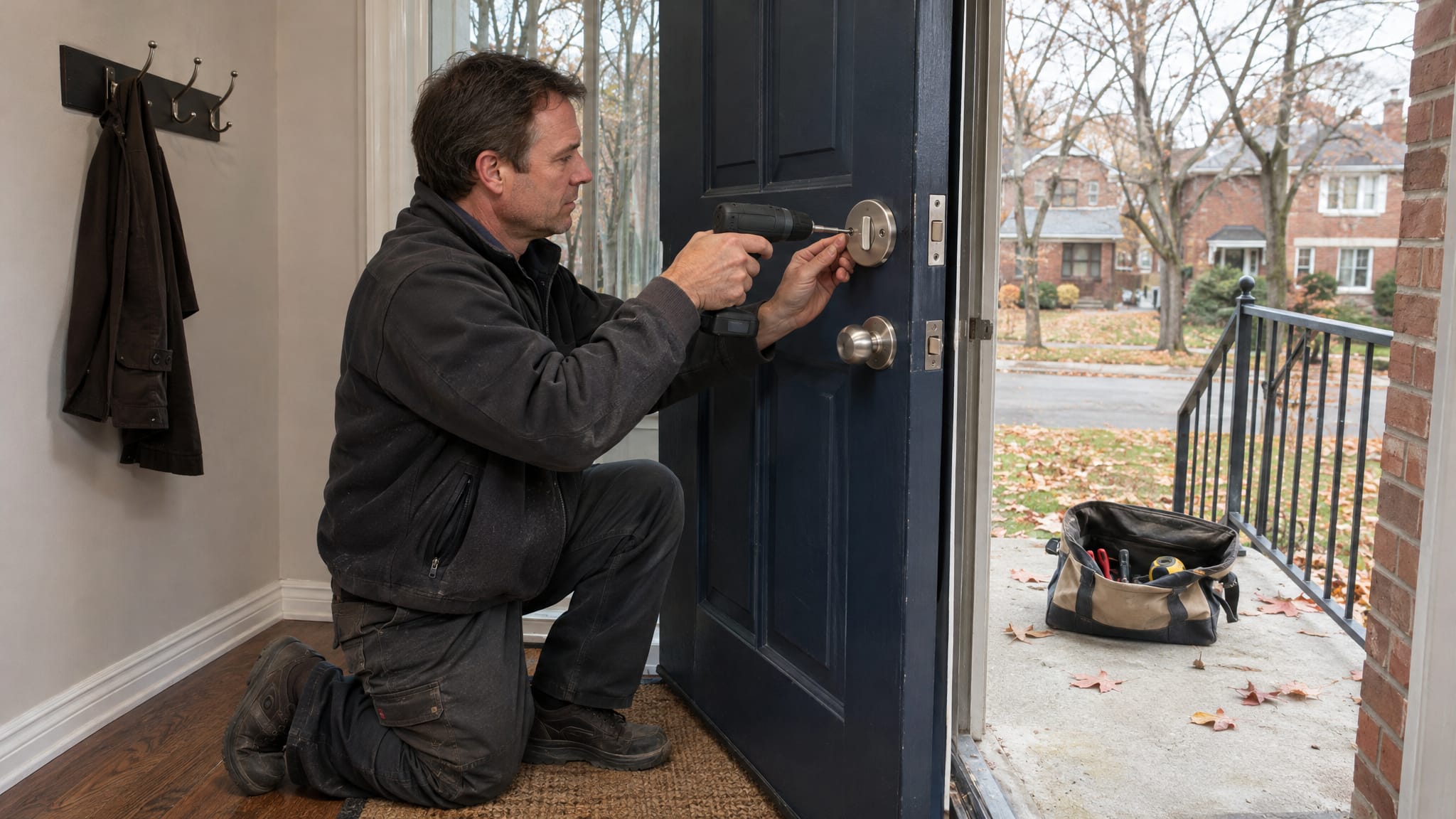
Another clue is the amount of force required. A lock that needs a hard push or a twist to turn is being stressed beyond its design limits. Continuing to force it can break the key off inside the cylinder or snap the tailpiece. Both scenarios are much harder to deal with than a simple lock replacement. A locksmith can test the lock with the door open and closed to isolate the cause. If the lock binds both ways, the internal parts have likely worn beyond repair.
What to check before calling a locksmith
If you notice a stiff key, a few simple checks can help you understand the problem. These are things any homeowner can do safely.
- Try the key with the door open. If it turns easily, the lock is probably fine and the door needs adjustment.
- Look at the strike plate. Check for scratches or wear marks around the bolt hole. Shiny metal there means the bolt is rubbing.
- Check the hinges. Tighten any loose screws. If the screws are stripped, replace them with longer ones.
- Lubricate the cylinder with a dry graphite powder. Avoid oil-based lubricants; they attract dust and make the problem worse.
- Test the key in both directions. Stiffness in only one direction can indicate a specific damaged pin.
These checks can solve simple cases. If the key is still stiff after trying them, the lock has likely suffered internal damage that will only get worse.
Why delaying the fix costs more
A lock that is hard to turn gets used less carefully. People yank the key, twist it at an angle, or slam the door to make it latch. That extra abuse accelerates wear on the entire locking mechanism. The cylinder may become so worn that it no longer holds the pins securely, making the lock easier to pick or bypass. The bolt can jam in the extended position, leaving the door stuck open or closed. What started as a stiff key can turn into a lock failure that requires drilling out the cylinder, replacing the entire handleset, or repairing the door frame.
For tenants and landlords especially, a stiff key is worth reporting early. A simple repair or adjustment can prevent a much bigger repair bill later. Homeowners should treat it the same way they would a dripping tap or a slow drain: a small problem that signals a larger one if left alone.
Security grades and lock durability
Not all locks are built the same. Residential locks are often graded by organisations like ANSI or BHMA. Grade 1 locks are the most durable and can withstand years of daily use. Grade 2 and Grade 3 locks are lighter duty. A stiff key is more likely to appear in a lower-grade lock after a few years of use. If your lock is grade 2 or 3 and the key has become stiff, the internal components may simply be wearing out faster than expected. Upgrading to a grade 1 deadbolt or handleset can give you a lock that stays smooth for much longer.
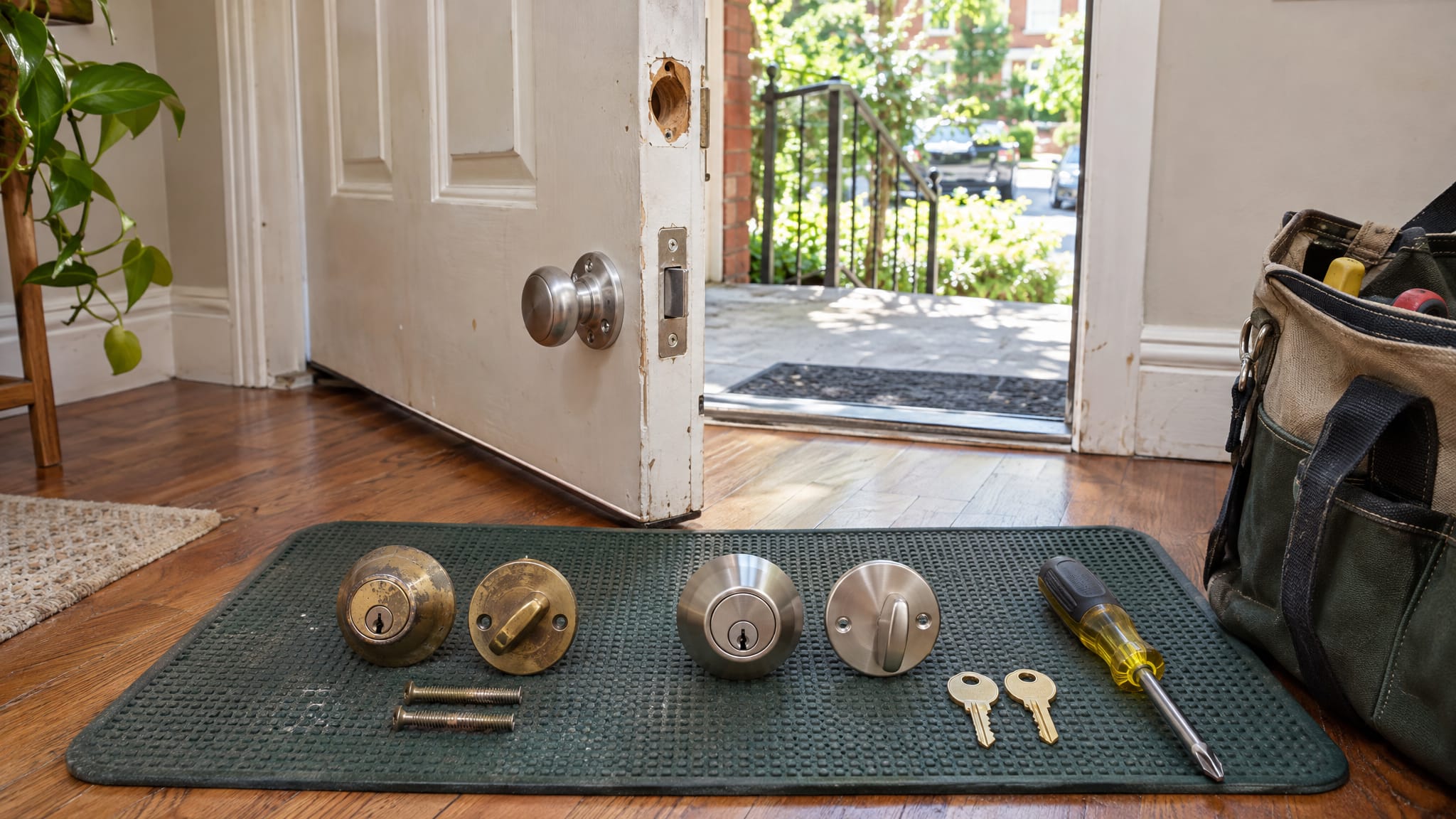
That said, even the best lock will eventually wear. The decision to repair or replace depends on the age of the lock, the severity of the stiffness, and the condition of the surrounding door and frame. A professional assessment can help you decide. At lockchangenorthyork.com, a damaged lock change is often the recommended path when the cylinder is worn or the bolt is damaged, because replacing just the cylinder or the lock body restores smooth operation without needing to change the door or frame.
Final thoughts
A stiff key is not something to ignore. It may be a simple cleaning issue, or it may be the first sign of a lock that is failing from internal wear or misalignment. Paying attention to how your key feels and acting early can save you from a lockout, a broken key, or a damaged door. If the stiffness does not go away after basic maintenance, it is worth having a locksmith take a look. The small effort of diagnosing the problem now can prevent a much bigger inconvenience later.